

Main Idea: The Lord of Heaven will certainly bring judgment in response to sin.
A Quick Backdrop
The prophet Micah came on the scene as a contemporary of the prophet Isaiah and overlapped with Hosea as well. His name means, “Who is like Yahweh?”[1] and his writing upholds the incomparability of his God.
He was from the southern kingdom of Judah, and he prophesied of the coming destruction of both the northern and southern kingdoms. He lived through the Assyrian conquest of Samaria, but the fulfillment of his words against Judah came much later.
A Look at the Text:
After a brief introduction, the Lord speaks through Micah concerning the disaster that was soon to come. Though enthroned in His holy temple on high, Yahweh would descend, coming out of His place (Mic. 1:2-4). Yet, He wasn’t coming down to bless, but to curse. He was coming to bring about disaster.
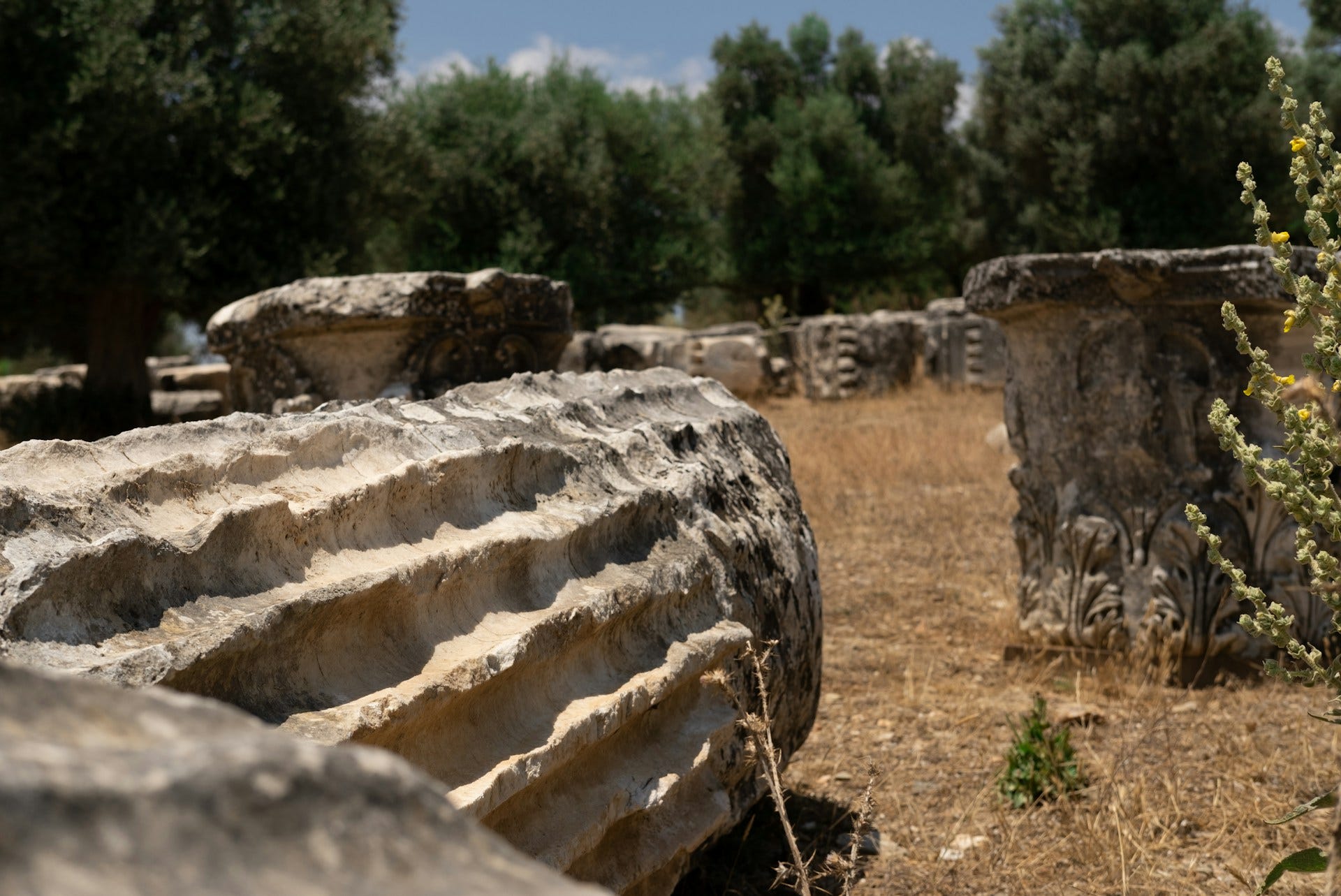
The Israelite transgression was going to bring an end to Samaria (Israel’s capital city), for God promised to make it “a heap in the open country” (Mic. 1:6). Even more, her idols would be burned with fire and laid waste (Mic. 1:7). The living God wasn’t tolerating competitors anymore.
In response, the prophet lamented the destruction that would be drawing near (Mic. 1:8-16). He references many Judean cities that wouldn’t remain. In 701 BC, the Assyrian king, Sennacherib, would destroy much of Judah, although by divine miracle Jerusalem was spared.[2]
While the Assyrian threat was great, the truly frightful news was that this disaster was actually coming from the Lord (Mic. 1:12).
Bringing it Home:
The Scripture presents very plainly that sin is serious to God and that the consequences for human rebellion are certain.
God’s people broke covenant with Him. In response, God upheld the warnings of the covenant (see Deut. 28:15-68) and brought about the curse of destruction. The Assyrians—and later the Babylonians—were merely God’s instruments of divine justice against His wayward people.
The Most High is inescapable (see Jer. 23:23). We cannot hide our sins from Him and His righteous wrath. We need atonement, we need an advocate, we need a substitute to bear the holy indignation of our Creator. All of these needs were met in our Lord Jesus Christ (see 1 John 2:1-2).
He was the One who bore the curse of the law on our behalf (Gal. 3.13) that we might experience eternal blessing. “For our sake he made him to be sin who knew no sin,” the apostle Paul concluded, and this was for God’s gracious purpose, “so that in him we might become the righteousness of God” (2 Cor. 5:21).
The surety of God’s just judgment reminds us of our need for mercy, a need that is only supplied in Jesus Christ.
Let us then cast ourselves wholly on Him in personal trust and hope of final salvation. Apart from Christ, we don’t stand a chance before the justice of God. But in Christ, we do not need to fear (see 1 John 4:17-18).
Challenge:
How has Christ changed my fear of divine judgment and my hope for that final day?
[1] Crossway Bibles, The ESV Study Bible (Wheaton, IL: Crossway Bibles, 2008), 1693.
[2] Crossway Bibles, The ESV Study Bible (Wheaton, IL: Crossway Bibles, 2008), 1697.