

Main Idea: God’s Word must be humbly accepted and followed with obedience.
A Look at the Text:
In this portion of Jeremiah, the chronology bounces around a little bit. In essence, these chapters contain a collection of scenes from Jeremiah’s life as he ministers to the last kings of Judah. In today’s text, Jehoiakim, the third-to-last king of Judah, is on the throne.
First, we see the prophet Jeremiah given an unusual mission to invite the Rechabites to the temple to drink wine together (Jer. 35:3-4). While they accepted the invitation to the temple, they refused the invitation to wine (Jer. 35:6).
This was solely based upon a command they had been given by their father that wasn’t required by God’s Law.
As such, they became a mirror for the people of Judah who wouldn’t listen to God no matter how many prophets He sent to them (Jer. 35:14-15). They were more faithful to their family traditions than God’s people were to their Maker.
This is shown no more clearly than what happens in the next chapter.
There we see an example from the king’s own life. Jeremiah, by God’s command, has his scribe, Baruch, write the message that he received from the Lord upon a scroll (Jer. 36:1-3). God’s word was for the people to turn from their wicked ways and to receive mercy for their many sins (Jer. 36:3, 7).
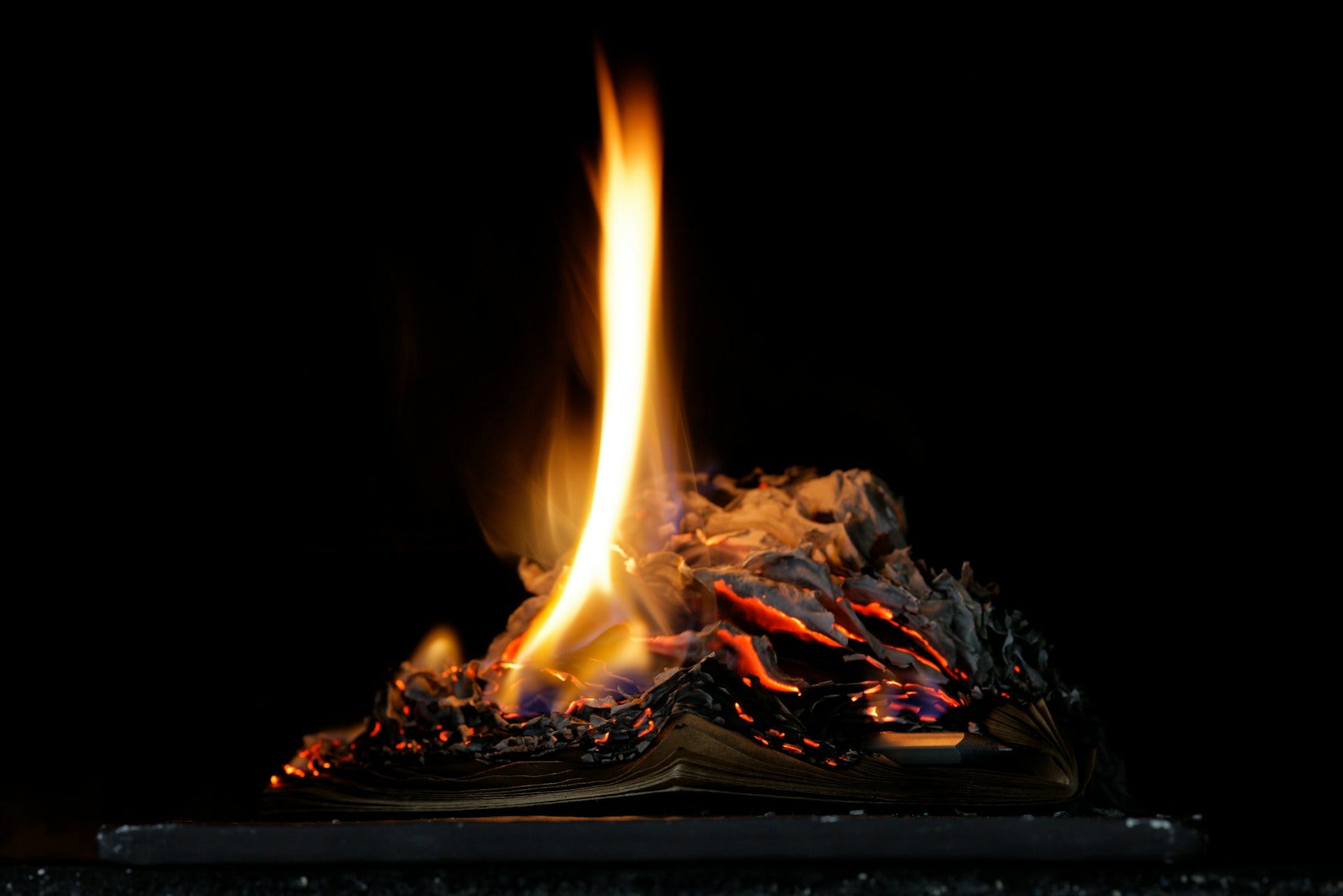
Baruch read the message publicly and then again before the king’s officials, who responded in fear and sent word to the king (Jer. 36:16). But when the king later heard the scroll read, he didn’t rend his garments. Instead, he rent Jeremiah’s scroll and tossed the pieces one by one into the fire that was keeping his house warm (Jer. 36:23-24).
In response, the Lord tasked Jeremiah with writing another scroll. Most of it was the same, but this time judgment specifically targeting this calloused king was added to the writing (Jer. 36:28-32).
Bringing it Home:
God sent His word again and again to His people, and they seldom heard it. In this story, the king’s officials responded in fear, but the king burned the scroll of Jeremiah’s prophecy. He didn’t like the message God sent, so he got rid of it.
The king’s heart was calloused. He didn’t want to hear of coming destruction. He didn’t want to hear of his sin. As such, the scroll was burned.
But God’s Word is irrevocable. We cannot believe that by ignoring it or even by destroying it that we are actually accomplishing anything. You cannot cancel God. His Word will stand, even if the whole world burns.
Let us then always respond humbly to His revelation. If His Word afflicts us, we must respond by rending our garments, not our Bibles. We can try to deny His Word, we can try to escape it, but if it comes from the living God, it will come to pass. We might as well get on board.
Challenge:
How do I respond to conviction?
your method and layout is really good. Consider compiling and making a bible study publication,