

Main Idea: There is a God for whom nothing is too hard.
A Look at the Text:
In 2 Kings 3, the focus shifts from the prophets to the kings once again. There’s a new son of Ahab on the throne—Jehoram. He wasn’t quite as bad as his dad, but he still followed in the sins of Jeroboam (2 Kings 3:3), the one who set up the worship of golden calves in Israel.
With a new king on the throne whose reign was not fully established, it was a great time for rebellion. That is exactly what the king of Moab did. Formerly, as a subject people, they would pay tribute to Israel (2 Kings 3:4). In this king’s eyes, things were about to change.
So Jehoram, king of Israel, determined to resolve this by going to battle against Moab. He got the help of Jehoshaphat, a righteous king of Judah, and also the help of the king of Edom. However, they found that after seven days of traveling through the wilderness, they were dehydrated and desperate.
The king of Israel quickly concluded that it was Yahweh’s fault (2 Kings 3:10). The king believed that God had taken them out into the wilderness to weaken them so that the Moabite king would be victorious.
Like so many kings, Jehoram found himself in a hard place.
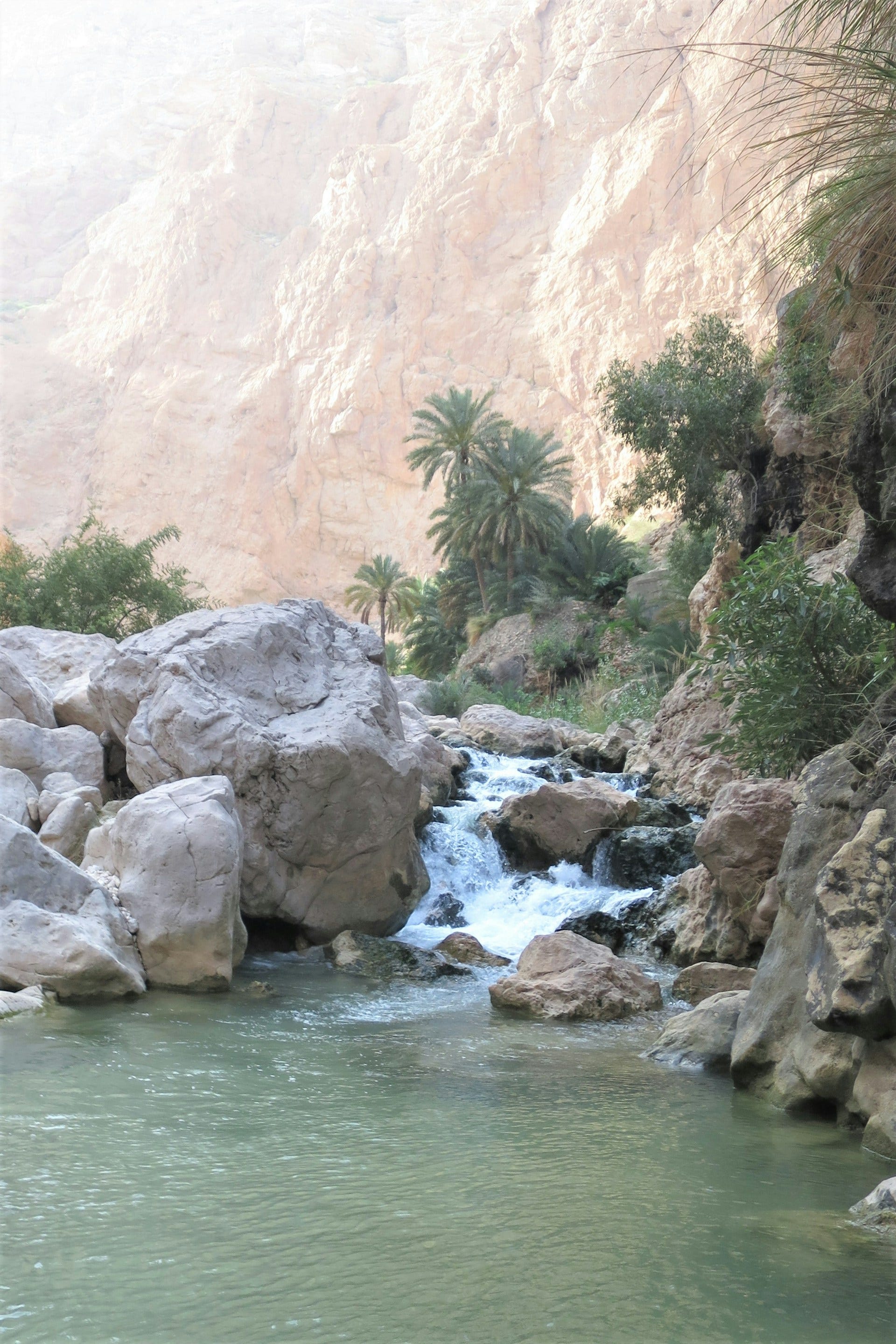
However, a prophet was present. Elisha was called before them, and he assured them that God would fill the dry streambed (2 Kings 3:16). Yet, it wouldn’t happen via rain (2 Kings 3:17). No, it would be solely to the credit of the gracious intervention of a loving God who was willing to display His power before His faithless people.
Not only this, but the Lord issued a promise of deliverance in the upcoming battle. He then kept both of His promises. The next day, water came in abundance, and with water came victory.
Bringing it Home:
It can be incredibly difficult to decipher what God is doing in the difficult seasons of our lives. Yet, let us take heart that sometimes God doesn’t bring trials for defeat. Rather, they are for His victory, that He might show Himself faithful and all-powerful to the one who depends on Him.
God can show off during the desperate times in a unique way. We take good days for granted, but when the Lord of Heaven and Earth turns the bad to good, would that not cause us to then turn in praise?
Perhaps then, if we find ourselves with dry riverbeds, we shouldn’t complain that He has purposed our destruction. Instead, we must cry out to Him, and perhaps He just might fill the riverbed in ways that only He can.
He is the God for whom nothing is too hard. He is the God who can bring streams in the desert (see Isa. 43:19-20). He is the God who can deliver the armies of Israel and Judah. He is the God of my salvation, and He can do as He pleases.
Challenge:
When I face trials in my life, is my default to complain about God or to seek His help?
Let us remember that at times God will bring difficulties in our lives in order to show off His glory and grace.