

Main Idea: There is always hope with the God who raises the dead.
A Look at the Text:
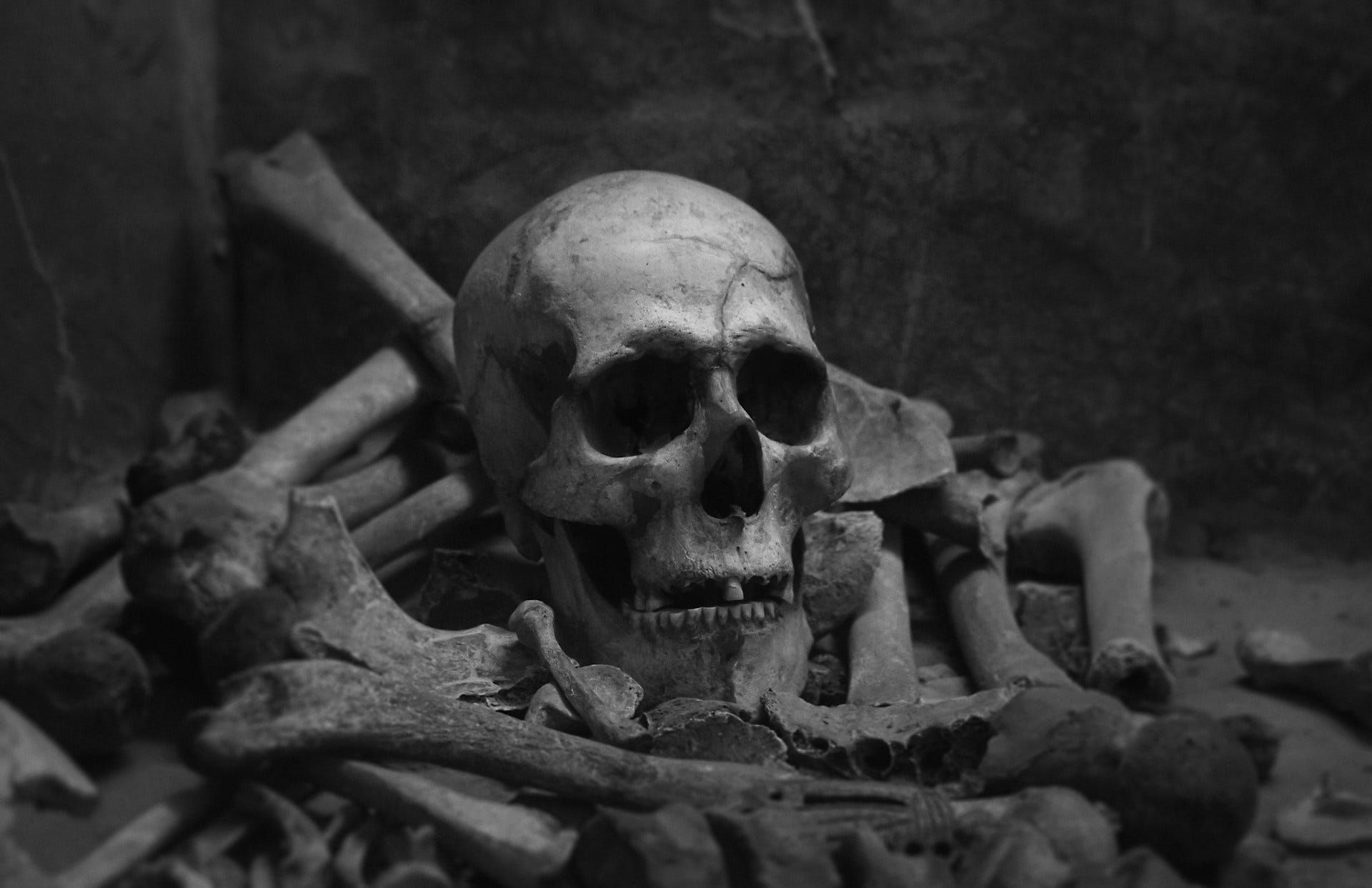
Ezekiel 36 left off with a future hope for a desolate people. This situation is then brought to life as Ezekiel is transported in the Spirit to a valley of dry bones. To Ezekiel, they were very dry—utterly without hope (Ezek. 37:2). Standing in the midst of this graveyard, God asked Ezekiel if the bones could live (Ezek. 37:3).
In response, Ezekiel gave the most appropriate answer, “O Lord God, you know” (Ezek. 37:3). For, naturally speaking, it was an utter impossibility, but that was no hindrance to the living God.
Then, in a grand display of His power, God told His prophet to address a valley of dead bones with the Word of the Lord. The bones, in obedience, came together; they were covered in flesh, they were filled with breath, and they stood as a great army (Ezek. 37:10).
This resurrection was a picture of hope for Israel. Though exiled, weak, and dead, God would bring new life to them again (Ezek. 37:11-14). God would take them home, uniting them once more into a single nation under the rule of a new David (Ezek. 37:21-24).
Contrasting this, other nations wouldn’t fare so well. Specifically, God’s Word next took its stand against Gog, the ruler of Magog, who would one day oppose Israel (Ezek. 38:1-6).
Bringing it Home:
There is always hope with the God who raises the dead. Even the grave is not the end of the story for the living God. Israel’s figurative resurrection from the dead is then surpassed by Christ’s literal resurrection from the dead, which was the firstfruits of the grand, final resurrection from the dead that is yet to come (1 Cor. 15:20-23).
If this is the God whom we serve, how then could we be a hopeless people?
Where we see a graveyard, God sees an army. Where we see something dry and dead, God can breathe resurrection life. There is nothing too hard for Him.
Challenge:
Are my eyes fixed on problems or the God who can solve any problem?