

Main Idea: The coming Servant would suffer for the transgressions of others.
A Look at the Text:
The climax of the “servant” motif in Isaiah and the hope of the entire book can be found in Isaiah 53. Isaiah again and again pronounced a message of judgment mixed with hope. As we saw so clearly yesterday, there was a sure promise of coming eternal salvation.
Yet, how that would be accomplished remained a mystery. How could a God who is just justify the ungodly, even nations that had rebelled against Him? The answer is found in a substitute.
The servant is reintroduced again, but here we see that He is marred beyond human semblance (Isa. 52:14). How does this happen? The answer comes as we see the Servant’s role in bearing the sins of others:
But he was pierced for our transgressions; he was crushed for our iniquities; upon him was the chastisement that brought us peace, and with his wounds we are healed (Isa. 53:5).
He Himself was innocent. Unlike Israel, who failed God again and again, the Servant obeyed. He suffered for sins not His own. The iniquity of others was laid upon Him (Isa. 53:6).
Yet, this wasn’t just some accident. It was Yahweh’s foreordained guilt offering (Isa. 53:10). The Servant suffered so that the people might live. He bore iniquity, so that many would be accounted righteous (Isa. 53:11).
Bringing it Home:
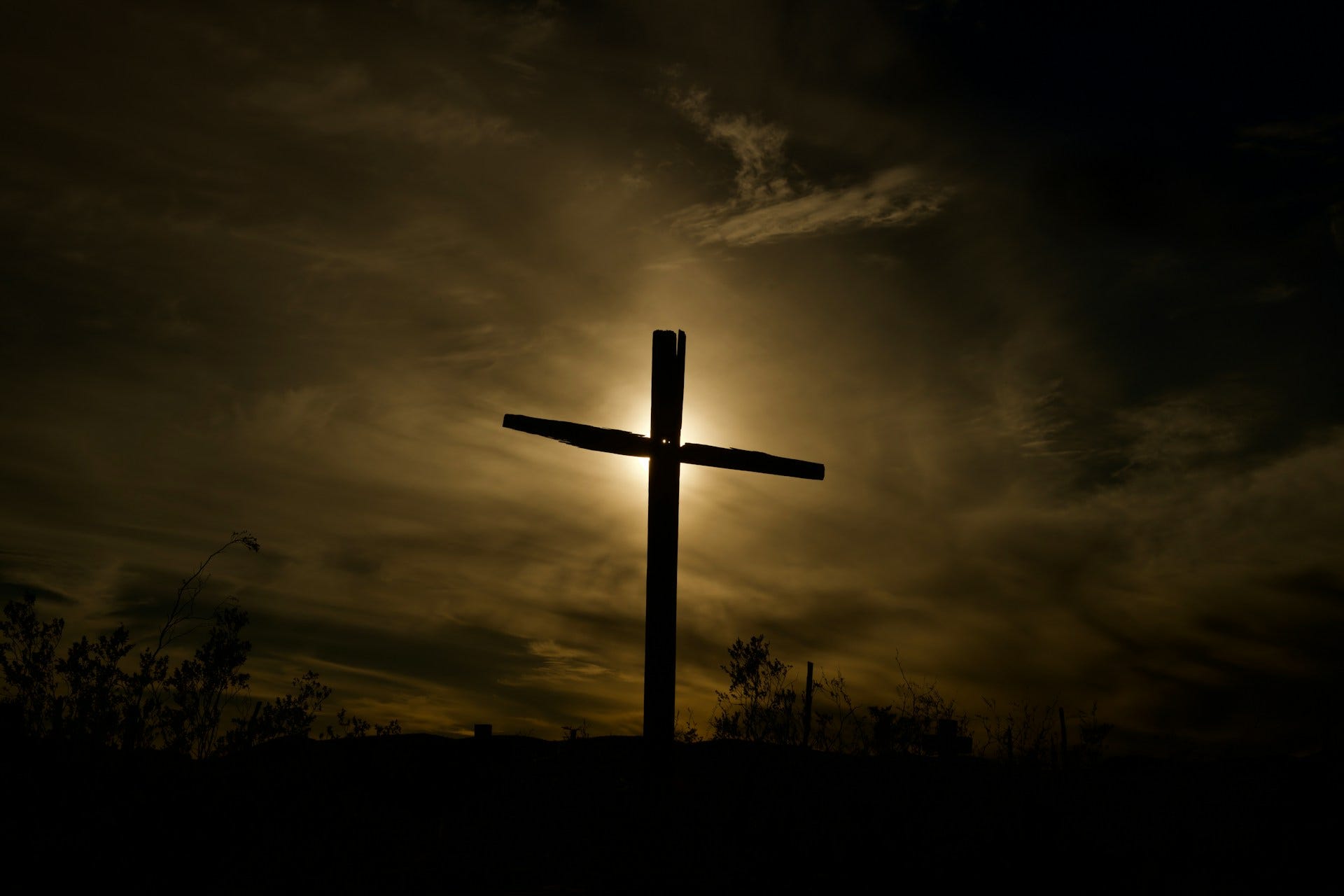
The resolution to our sinful plight is found in the Suffering Servant—Jesus Christ. The cross is increasingly offensive to modern man. It is seen as barbaric. A propitiatory sacrifice seems dated. The concept of substitutionary atonement is seen as just plain wrong.
To this, we must remember that the message of the cross has always been scandalous. As the apostle Paul once noted:
For the word of the cross is folly to those who are perishing, but to us who are being saved it is the power of God (1 Cor. 1:18).
To the world, both in the first and twenty-first centuries, it is senseless, perhaps even just an accident. To the Christian, it is the grounds of our hope, foreordained by God (see Acts 2:23; Isaiah 53:10). It is, as some have noted, the place where the love and justice of God intersect.
The cross is the very means of God’s invitation offered through Isaiah back at the beginning of his ministry:
“Come now, let us reason together, says the Lord: though your sins are like scarlet, they shall be as white as snow; though they are red like crimson, they shall become like wool” (Isa. 1:17).
Through the crimson blood of Christ, even the vilest sinner can be made clean, washed white as snow. Not because of who we are, but because of who Christ is. Not because of what we have done—but because of what Christ has done.
When we were weak and utterly without hope, Christ Jesus died for the ungodly (Rom. 5:6-7). He became a curse for us to free us from the law’s curse (Gal. 3:13). He became sin for us, so that in Him we could be made the righteousness of God (2 Cor. 5:21).
Isaiah didn’t know the whole story, but he still gave us a glimpse of coming grace through the work of another. Now, we can know Him by name—Jesus Christ.
He alone is the hope of the world.
Challenge:
How does the horror of crucifixion remind me of both the costliness of my salvation and the great love of the triune God for me?