

Main Idea: God’s people should look to the past to build faith for the future and worship Him in the waiting.
A Look at the Text:
The final chapter of Habakkuk opens with the prophet’s response to God’s response to his complaint. In essence, the prophet prays for God to act once again (Hab. 3:2) in light of God’s past actions. Using symbolic, beautiful language, the prophet recapped various works of God from creation to the crossing of the Red Sea to the stopping of the sun in the days of Joshua (Hab. 3:3-15).
Then, seeing that God was faithful, the prophet determined to wait for the day of trouble to visit the Babylonians (Hab. 3:16). He trusted that God would do things right, and he responded in worship.
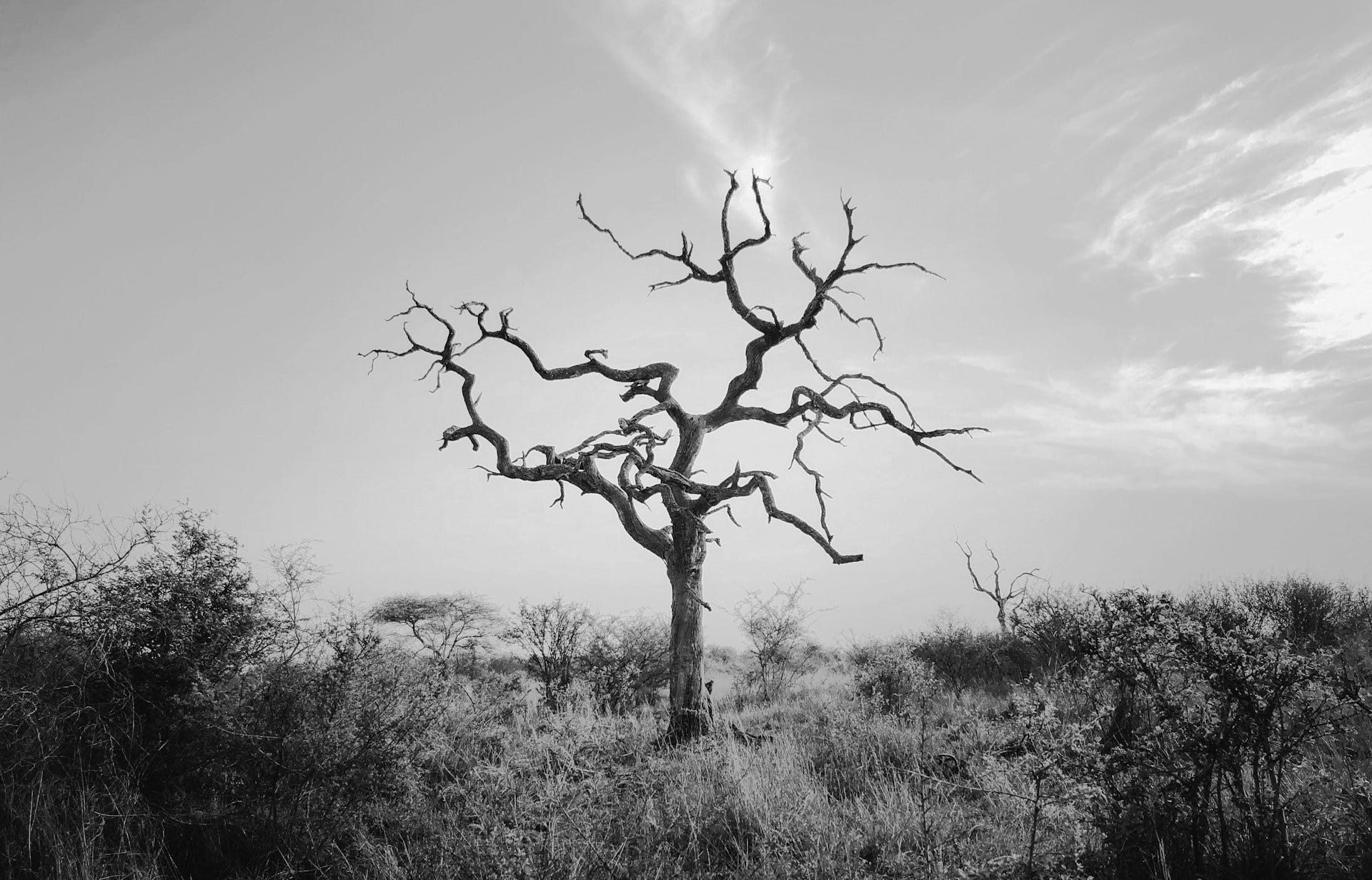
Even if everything naturally speaking wasn’t going well—the fig and olive trees were barren, and there were no animals in the stalls—the prophet would rejoice in the Lord:
yet I will rejoice in the LORD;
I will take joy in the God of my salvation.
19 GOD, the Lord, is my strength;
he makes my feet like the deer’s;
he makes me tread on my high places (Hab. 3:18-19).
God’s perplexing ways initially brought the prophet to despair, but eventually they drew him to worship.
Bringing it Home:
The book of Habakkuk teaches us to trust the God who is unfigureoutable.
Habakkuk begins with questions and ends in worship. He was no longer going to accuse God of malpractice as God. He was going to trust that the same God who acted in history would act again. Then, in the meantime, he would rejoice in his faithful, promise-keeping God.
Habakkuk begins with questions and ends in worship.
As believers in the modern age, we likewise can look to the past to build faith for the future. We can look to the myriad examples in Scripture, in our lives, in our churches, or even the testimony of friends and family, and see that God is an acting God. He is not uninterested in His creation. No, He governs it faithfully day by day.
Yet His actions are oftentimes hard for us to understand as human beings. We question God when evil is on the rise or the cupboards are bare. Yet in both, Habakkuk the prophet determined to trust—even more, to worship.
He would rejoice in the Lord, even if things were going off the rails, because He knew the nature of the God in whom He trusted. As such, He was willing to walk by faith.
How about for us? Will we be faithful to worship in the waiting? Will we trust that God will do what is right even when things seem backwards in the present?
Though Habakkuk’s exact situation is far removed from our present experience, his dilemma is readily understandable because we serve the same God whose ways can elude us.
Challenge:
What is my default response when I don’t understand God? Do I charge Him with malpractice, or do I respond in worship, seeing that He is far greater than I am?